

The Problem You Can See Is Not Always the True Problem
We usually try to solve the problem we can see. But when the same kind of problem keeps coming back, the visible problem may only be the clue. Sometimes you need to look further upstream to understand what’s really causing it.
What If Success Brings You the Wrong Life? | (#103) Beyond Success: Psychology & Philosophy for Achievers, with David Tian, Ph.D.
A life can look respectable, successful, even enviable, and still be badly chosen.
The frightening part is that this usually doesn’t happen because of one reckless decision.
It happens through years of reasonable choices.
Another demanding stage at the company. Another opportunity worth taking. Another reason to wait before making room for a serious relationship, children, old friends, or aging parents.
Each decision makes sense on its own.
Then one day, those decisions have added up to a life.
In Tolstoy’s The Death of Ivan Ilyich, a capable and respected man discovers too late that the very success that kept rewarding him also helped him avoid asking what his life was actually becoming.

What Success Can’t Tell You About Life | (#102) Beyond Success: Psychology & Philosophy for Achievers, with David Tian, Ph.D.
Success can reward a bad trade for years before the costs become obvious.
The decisions usually look reasonable at the time. One more demanding year. One more important opportunity. One more stretch of travel. Marriage can wait. The children will understand. Friends will still be there.
And professionally, it may keep paying off.
But that’s what makes the mistake so hard to catch.
The Brutal Cost of Keeping Your Options Open | (#101) Beyond Success: Psychology & Philosophy for Achievers, with David Tian, Ph.D.
You’ve spent years getting better at managing your time. But what if time management has been helping you avoid the harder problem?
Productivity works beautifully when the goal is getting more done. But some of the most important things in life can’t be accelerated.
This episode explores themes from Oliver Burkeman’s Four Thousand Weeks and a possibility most productivity systems never ask you to consider: maybe you don’t have a time-management problem. Maybe you have a decision problem.
And if that’s true, getting more efficient won’t solve it.
You have to decide what truly deserves the years before those years are gone.

How Success Costs You The Good Life | (#100) Beyond Success: Psychology & Philosophy for Achievers, with David Tian, Ph.D.
Most achievers believe that once they become successful professionally, then personal success will follow: the loving partner, the loyal friends, the children who still want to connect with them at fifty.
But it works the other way. Professional success can often cost most people their personal lives, and it can do the damage while they’re doing everything else right.
Nobody wakes up and decides to postpone a family or let a twenty-year friendship go. It happens in half-hour chunks, over ordinary weeks, and each of those choices makes sense at the time you make it.
This episode explains why, and why it comes out of the same instincts that built your career.

Marriage Isn’t the Risk. The Wrong Partner Is | (#099) Beyond Success: Psychology & Philosophy for Achievers, with David Tian, Ph.D.
You’ve watched a friend go through it. The house, the filing, the number the lawyer gave him. He built that business staying up late for years, and now he’s watching half of it get divided by a stranger in a courtroom. You went home and did the math on your own situation that same night.
Two years in with a partner who seems good, but still no proposal. You tell people it’s timing. But you know it isn’t just timing.
This episode is for the person who sat down with the numbers, the way he sits down with every serious decision, and concluded the downside can’t be insured against.
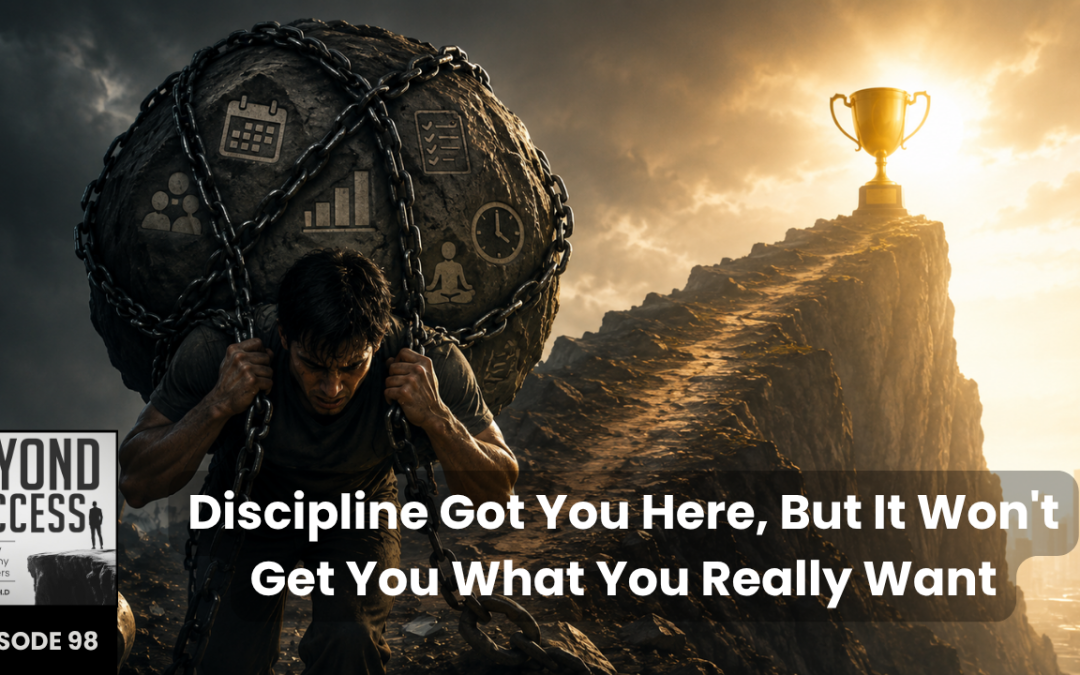
Discipline Got You Here, But It Won’t Get You What You Really Want | (#098) Beyond Success: Psychology & Philosophy for Achievers, with David Tian, Ph.D.
There are two kinds of success. From the outside they look a lot alike.
One of them you already know. Push through, exert your will, apply more effort to the friendships, the relationship, the career, even to your ability to relax.
That kind can work. But that’s the trap. It pays out just enough to keep you doing it, while the bill accumulates somewhere you’re not looking — each success means less than the last, and the people you pushed hard to earn have gradually thinned out.
You can feel what it costs. You’ve just been filing that under drive.
The second kind keeps every hour of the discipline but drops what’s making it expensive.
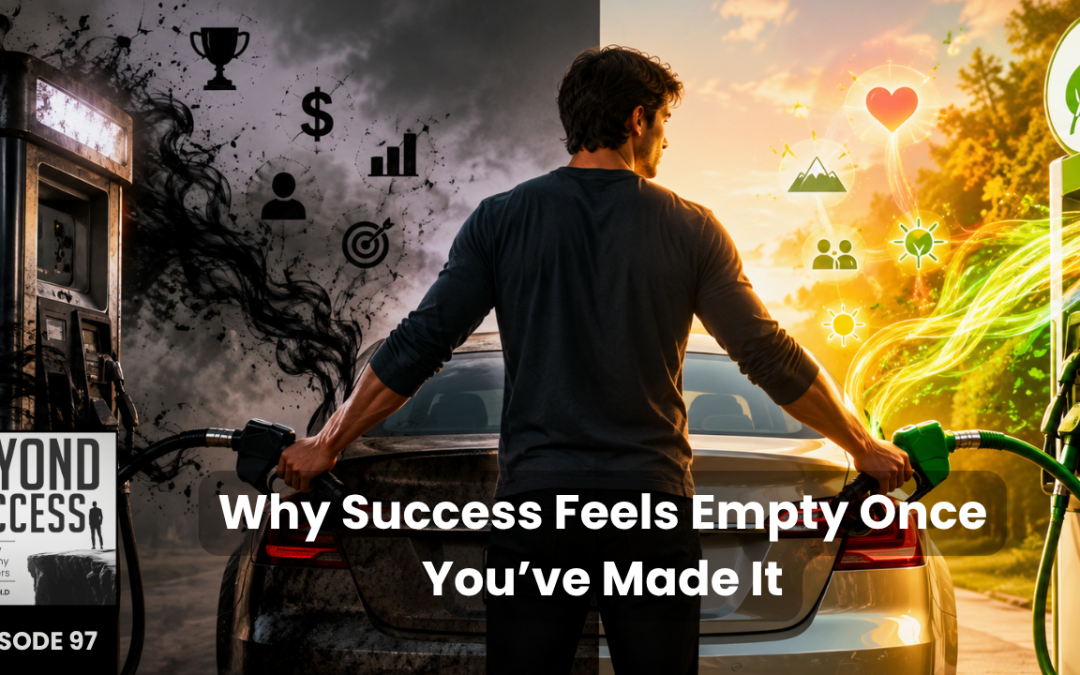
Why Success Feels Empty Once You’ve Made It | (#097) Beyond Success: Psychology & Philosophy for Achievers, with David Tian, Ph.D.
You set a number years ago. The exit, the money, the reputation you wanted to have earned. You then reached it.
So why doesn’t the life feel the way you thought it would?
Here’s what most people get wrong about that flatness. They read it as a verdict — like they climbed the wrong mountain, wanted the wrong things — and the fix is always the same. Downshift. Step back. Want less.
That’s not just wrong. It guarantees you stay stuck, plus bored.
The problem was never what you built. It’s the engine you built it with. And that engine has a setting almost no one knows they can change.
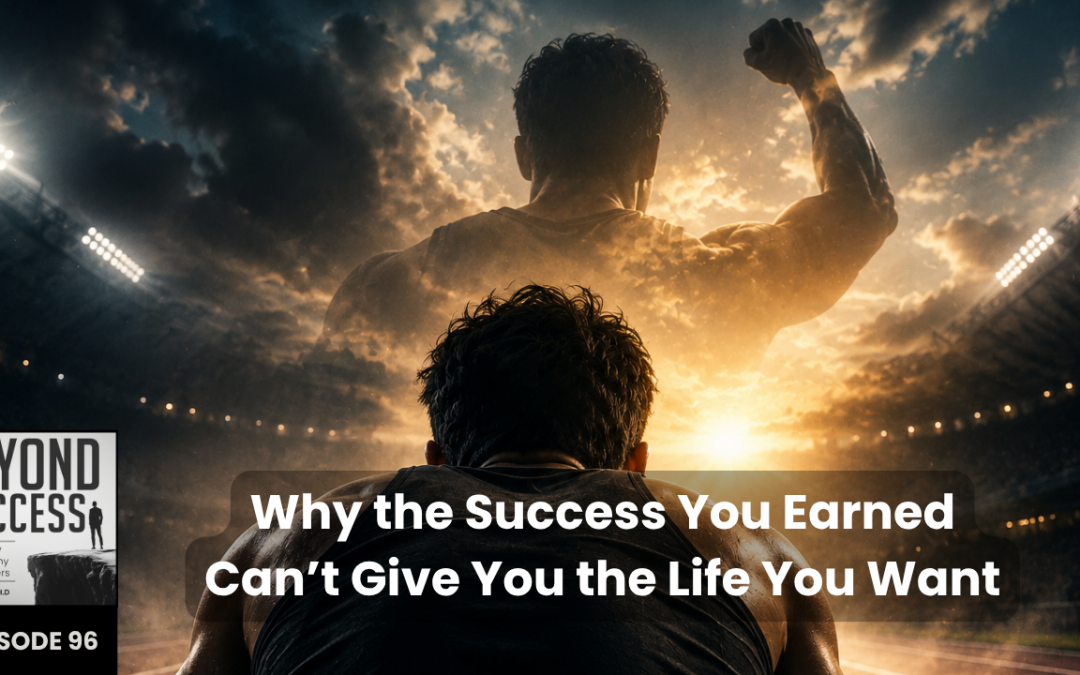
Why the Success You Earned Can’t Give You the Life You Want | (#096) Beyond Success: Psychology & Philosophy for Achievers, with David Tian, Ph.D.
You hit the targets. Every goal your younger self set, you cleared. But the feeling that came with it was closer to… nothing.
A certain belief comes naturally with success: I earned it, so I deserve it, and having it should feel like something significant.
But look hard at that for a second. Did you build your own intelligence from scratch? Your temperament? The drive you’re so proud of, the one that woke you up before everyone else? Or did your genes, your parents, and someone who believed in you early on hand you the traits you credit for it all?
The scientific research is unkind to the belief: The work ethic you treasure most turns out to be mostly inherited, closer to your height than to anything you made.
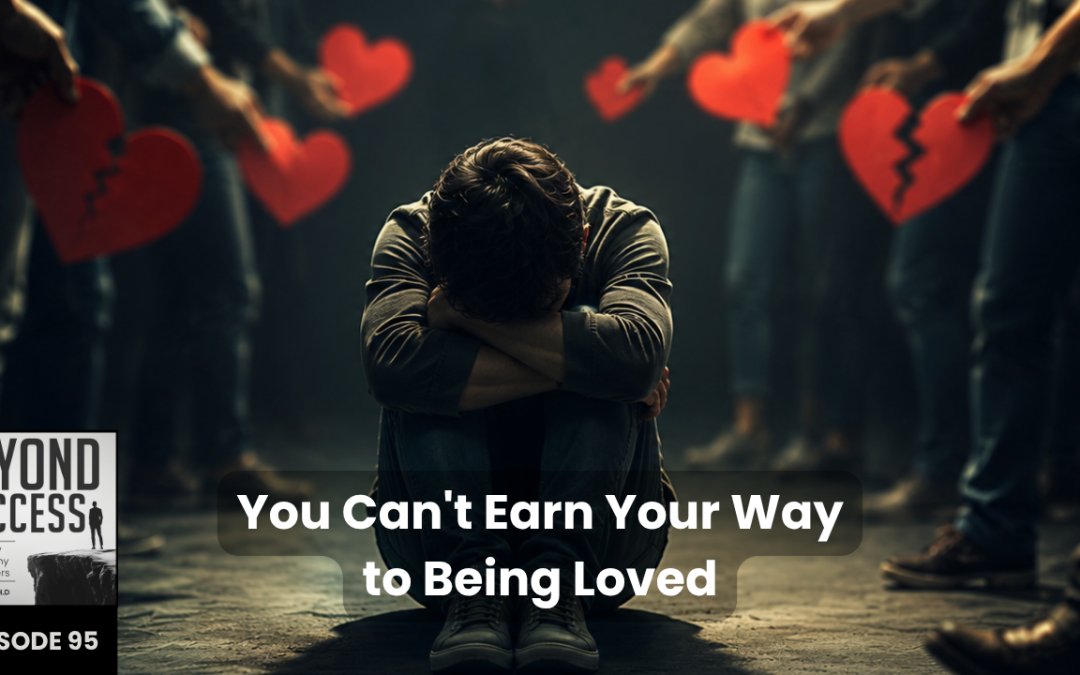
You Can’t Earn Your Way to Being Loved | (#095) Beyond Success: Psychology & Philosophy for Achievers, with David Tian, Ph.D.
You’ve spent your life earning. Get good enough, smart enough, successful enough, and surely the love follows. It’s the most reasonable plan in the world. You’ve been running it since before you could speak in full sentences.
But it doesn’t work. Not because you haven’t earned enough yet. But because the whole thing rests on a mistake about how love works, and some part of you signed off on that mistake a long time ago.
This episode takes the mistake apart, one piece at a time, until there’s nothing left holding it up.