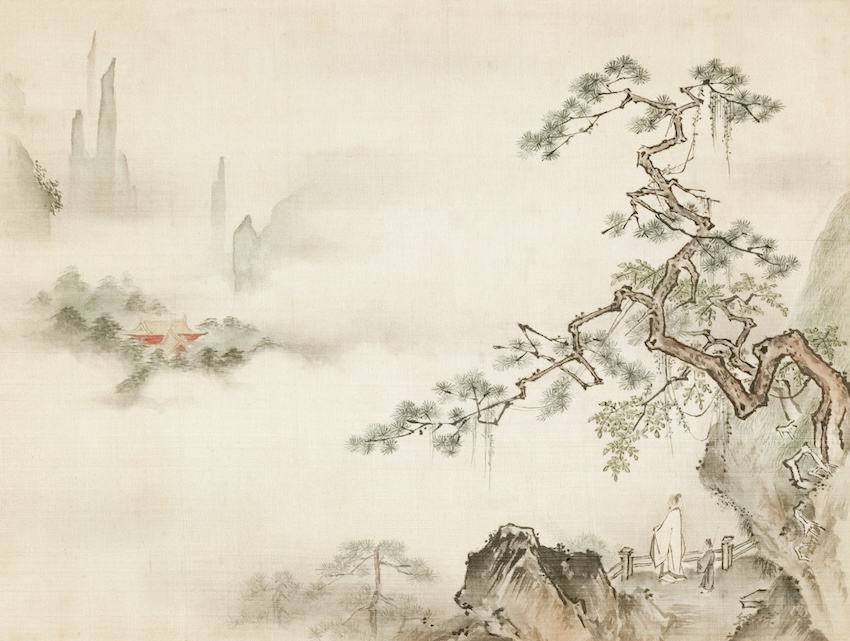
The methods that build a career are the wrong tools for what comes after it. Effort, repetition, force, optimization — these win quarters and close rounds. But they fail on the things that matter more in your forties and beyond: stillness, presence, deep relationships, an unhurried meal with friends. Push harder and you kill what you were trying to grow.
This is an old observation, older than the problem feels. Twenty-three centuries ago Mencius warned against pulling at sprouts to make them grow faster. The Daoists named the state most worth wanting — wu wei, effortless action — and noticed it cannot be reached by trying. Wang Yangming explained why knowing a thing and doing it had come apart, and how to close the gap. Buddhism mapped the same terrain from another direction.
These traditions are not relics, and they are not the strategy hacks that Western business books make of them. They are a precise psychology of inner state and outer action, written by people who watched striving fail at close range. The essays here read them on their own terms, against the life of someone who has already won and found the winning did not settle the most important questions.